

Mice can contaminate food with their urine and feces, spread diseases, and trigger allergic reactions. Studies show that children in urban areas have experienced allergic reactions from exposure to mouse urine. In the USA, deer mice, white-footed mice, and other rodents can carry Hantavirus, with cases reported in the southwestern region. This makes prompt mouse extermination crucial.
The critical first step to removing a mouse infestation is inspecting possible mouse activity. It is essential to find their runways and feeding areas to properly place traps and baits. The best time to check is at dusk. Using a flashlight would be handy for seeing into corners and recessed areas.
Common signs of a mouse infestation include rodent tracks, droppings, live or dead mice, and gnawing damage on furniture, walls, or food packaging. You may also notice urine stains or grease marks along walls and baseboards, which mice leave as they follow their regular paths.
Identifying the species of mice in your home is essential for adequate control. The two most common types in the USA are the House Mouse and the Deer Mouse.
The House Mouse
The house mouse is the most common mouse in the USA and the world. It is typically 1-2 inches long without its tail. House mice have light brown or gray fur, though color variations are possible. They have blunt snouts, large ears, and small eyes. Their droppings are rod-shaped and about 0.5 inches long. They prefer to eat cereal grains.
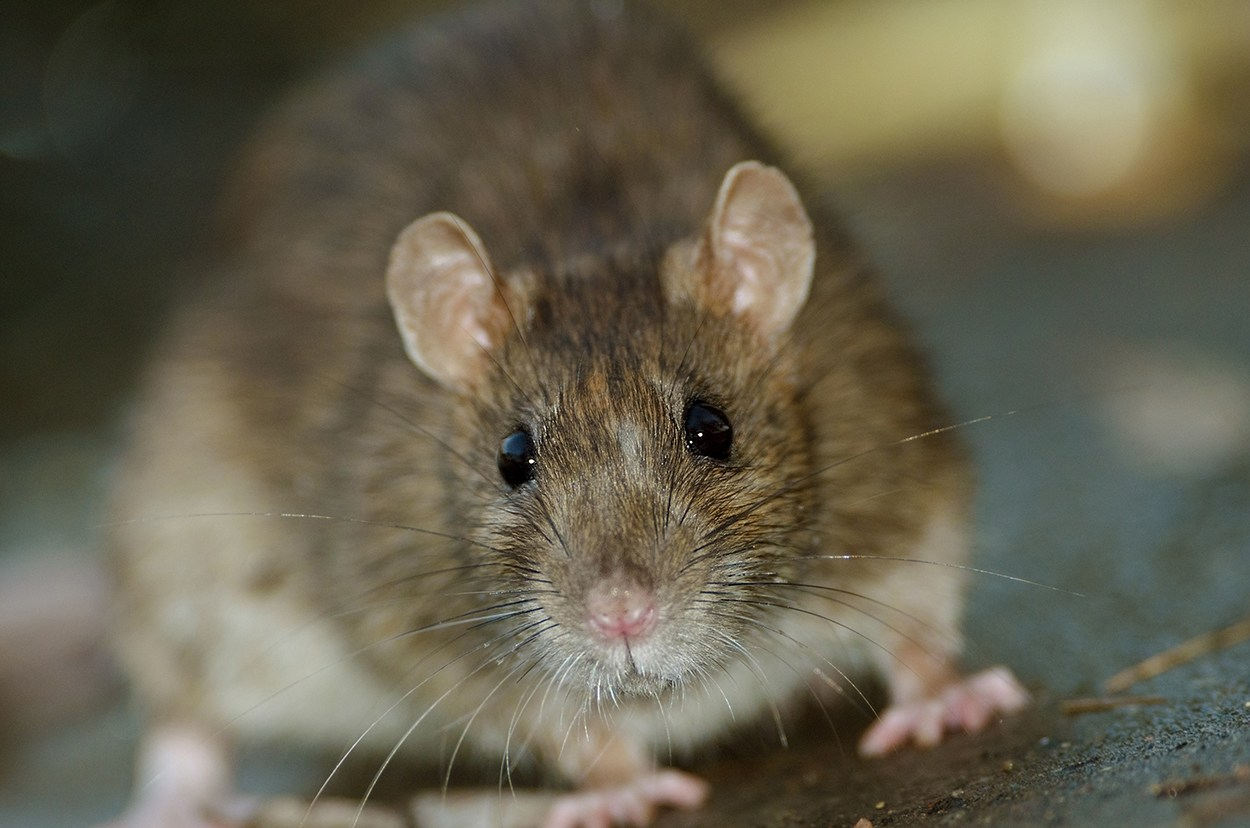
In cities, house mice may spend their entire lives indoors, while in rural areas, they may live outside near shrubs, weeds, or buildings, moving indoors when the weather gets cold. Once inside, they nest near food sources and feed on various items, including insects, dried fruit, and seeds.
The Deer Mouse
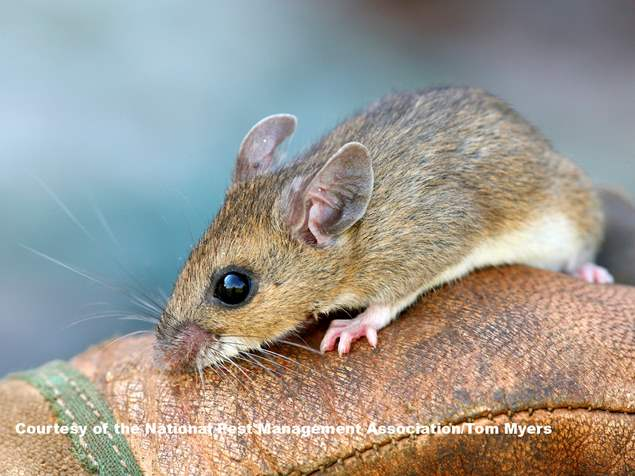
The deer mouse is commonly found in rural areas of the USA and is less likely to enter buildings than the house mouse. Deer mice are slightly larger, with a body length of 3-4 inches, not including their tail, which is about the same length as their body. Their fur is typically grayish-brown on the back with a white underbelly and feet, giving them a distinctive appearance. They have large eyes and ears, and their droppings are small and pellet-shaped, similar to other mice species.
Deer mice primarily live outdoors, building their nests in burrows or sheltered areas such as hollow logs, tree stumps, or piles of debris. However, during colder months, they may occasionally seek shelter inside buildings like barns, sheds, or cabins, though this is less common than with house mice. These mice are omnivorous and feed on seeds, fruits, insects, and small invertebrates. When they do enter homes or buildings, they can cause similar damage as house mice by gnawing on wires, insulation, and food supplies.
To effectively control mice, removing food sources and using traps or baits is essential. Mice feed on both human and pet food, so store all food, including seeds, grains, and pet food, in sealed airtight containers. Keep kitchen surfaces clean and free of food particles, and disinfect areas where mice have been with a 9:1 water-to-bleach solution.
 Mid-West Pest Professionals
Leave a comment